
Emergency Food Stockpile Australia: What to Store and How Much
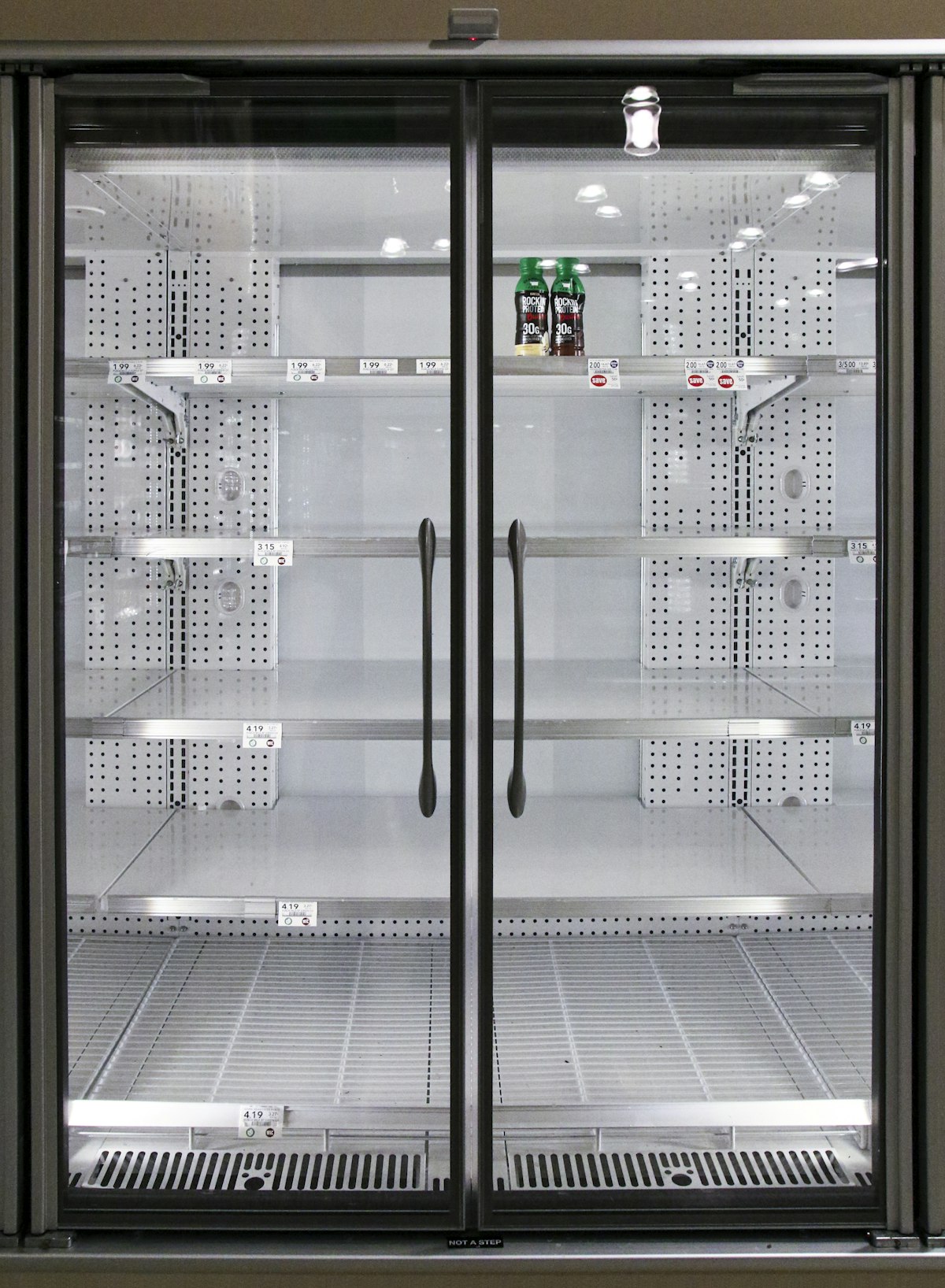
If the last few years have taught Australians anything, it's that supply chains are more fragile than they look. Bushfires, floods, pandemics, and now rising geopolitical tensions have all exposed the same vulnerability: we're an island nation that imports 90% of its refined fuel, and virtually everything in your supermarket arrived by truck.
This isn't a doomsday fantasy. It's basic risk management. The same logic that makes you insure your house applies to having two weeks of food in the pantry. Here's exactly what to store, how much you need, and what it costs.
A stockpile only counts if it stays sealed, dry and rotated — here's how to store it. SmartKoala may earn from qualifying purchases.
These are the products that make the advice on this page easier to actually use. SmartKoala may earn from qualifying purchases.
Why Australians should care about food preparedness in 2026
Three converging factors make this more relevant now than at any point in recent history:
1. Fuel vulnerability
Australia holds roughly 20–25 days of liquid fuel reserves, well below the International Energy Agency's recommended 90 days. We're the only IEA member nation that consistently fails to meet this target. In a prolonged oil supply disruption:
- Diesel shortages would halt freight trucks within 1–2 weeks
- Fresh produce (fruit, vegetables, dairy, meat) would disappear from shelves within 3–5 days
- Shelf-stable goods would follow within 7–14 days
- Regional and remote communities would be hit first and hardest
2. Global supply chain fragility
COVID-19 revealed that "-in-time" supply chains break under stress. Australian supermarkets typically hold 3–5 days of stock in-store. The 2020 toilet paper crisis was mild compared to what a genuine transport disruption would look like.
3. Rising costs and inflation
Food prices in Australia have risen 20–30% since 2022. Building a stockpile now, gradually, locks in current prices. If fuel costs spike further (which directly increases food transport costs), your stockpile becomes a hedge against inflation.
Beyond food: what else to prepare
A comprehensive emergency kit includes more than food:
- Medications: Keep a 2-week supply of any prescription medications. Ask your GP for an extra script.
- Cash: ATMs and EFTPOS won't work in a prolonged power outage. Keep $200–$500 in small bills at home.
- Torch and batteries: Or better, a rechargeable torch and a USB solar panel ($30–$50).
- Gas camping stove: A $40 butane stove from BCF lets you cook when the power is out. Keep 4–6 spare canisters.
- First aid kit: A basic kit plus antiseptic, bandages, and painkillers.
- Battery-powered radio: ABC Emergency broadcasting continues when mobile networks fail.
- Important documents: Copies of IDs, insurance, and emergency contacts in a waterproof bag.
Use our Blackout Prep Calculator to figure out your power needs during an outage, including how long your fridge will last and what backup power you'd need.
What it comes down to
An emergency food stockpile isn't about fear, it's about removing one major source of vulnerability from your life. For $150–$250 per person, you buy yourself 2 weeks of independence from supply chains. In a country with 20 days of fuel reserves and 3 days of supermarket stock, that's not paranoia. That's common sense.
Start this week. Add $20 of shelf-stable food to your next shop. In two months, you'll have a stockpile. In a crisis, you'll have peace of mind.
Emergency Food Calculator · Water Storage Calculator · Fuel Stockpile Calculator · Blackout Prep Calculator · Cost of Living Crisis Calculator
Frequently asked questions
How much food should I stockpile per person in Australia?
Plan for 2, 000 calories per day per adult. A 2-week supply requires roughly 25–30kg of shelf-stable food per person, including rice, pasta, canned goods, and long-life milk. A 4-week supply doubles that to around 50–60kg.
What foods last the longest in an Australian climate?
White rice (10+ years in airtight containers), honey (indefinite), canned vegetables and meat (2–5 years), dried pasta (2+ years), rolled oats (1–2 years sealed), powdered milk (2+ years), and peanut butter (1–2 years). Store below 25°C, Australian heat significantly reduces shelf life if stored in garages or sheds.
How much water should I store per person?
The Australian Red Cross recommends at least 10 litres per person per day for drinking, cooking, and basic hygiene. For a 2-week supply, that's 140 litres per person. Minimum drinking water is 3 litres per day.
Will an oil crisis cause food shortages in Australia?
Australia imports 90% of its refined fuel and holds only 20–25 days of liquid fuel reserves, well below the IEA's recommended 90 days. A prolonged supply disruption would rapidly impact food transport, as virtually all Australian groceries travel by truck. Fresh produce would be affected within days, and shelf-stable goods within 1–2 weeks.
How much does a basic 2-week emergency food stockpile cost in Australia?
A basic 2-week stockpile for one adult costs approximately $150–$250 at Woolworths or Coles prices (April 2026). This includes rice, pasta, canned goods, UHT milk, peanut butter, oats, oil, and basic spices. Buying gradually over 4–6 weeks reduces the budget impact.