
EV Novated Leases in 2026: Are They Still the Best Deal in Australia?
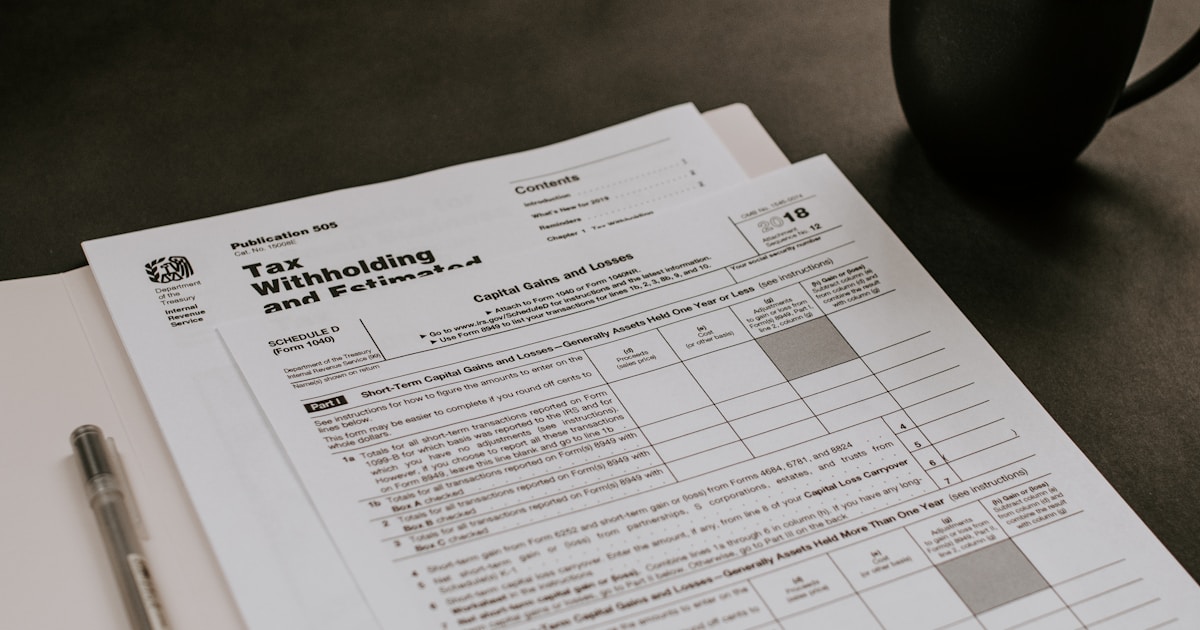
EV novated leases are still one of the more powerful tax quirks left in Australia. Which feels mildly offensive if you are trying to save for a house and your reward is watching someone else salary-package a new electric car. But yes, the deal is still alive in 2026.
That said, the headline is not simply, "novated lease good, car loan bad". Some EV leases are excellent. Some are dressed-up nonsense with chunky fees, optimistic running-cost budgets, and a residual payment lurking at the end like a magpie in spring.
If you are trying to work out whether one actually suits you, this guide covers what still works, what changed, and what to check before you sign anything. If you want to model your own numbers while you read, start with our Novated Lease Calculator.
Why EV novated leases are still a big deal
The main reason is the Fringe Benefits Tax exemption for eligible zero or low emissions vehicles. In plain English, if the car qualifies, lease costs that would normally trigger FBT can be packaged much more favourably through your salary.
That is why EV novated lease quotes often look dramatically better than petrol-car quotes. The tax settings are doing a lot of heavy lifting.
For 2025-26, the fuel-efficient luxury car tax threshold is $91,387. That number matters because the exemption only works if luxury car tax has never been payable on the importation or sale of the car. In practice, that usually means checking the vehicle sat under the fuel-efficient threshold when first sold retail. Go over it and the magic trick stops being magic.
Which vehicles qualify in 2026?
Broadly, battery electric vehicles and hydrogen fuel cell vehicles can qualify if they meet the ATO rules. The car must generally have been first held and used on or after 1 July 2022, and it needs to sit under the fuel-efficient luxury car tax threshold when first sold retail.
Plug-in hybrids are the big gotcha. They generally stopped qualifying from 1 April 2025, unless the vehicle was already used or available for private use before that date and there was a financially binding commitment continuing on or after it. So if someone is still pitching you a fresh PHEV novated lease as if it gets the same treatment as a battery EV, that deserves a very slow blink and a lot of questions.
Does that automatically make an EV novated lease the best option?
No. It makes it worth checking properly.
An EV novated lease is often strongest when most of these are true:
- you are a PAYG employee with access to salary packaging
- you are on a decent marginal tax rate
- the EV is under the relevant threshold
- you were going to buy a reasonably new car anyway
- you expect to stay with your employer, or at least in packaging-friendly roles, for a while
It gets shakier when you are stretching to buy a car you would not otherwise choose, when the quote includes padded fees, or when you are likely to change jobs soon. In those cases, the tax benefit can be real, but the overall decision can still be dumb.
What you are actually paying for
A novated lease is not just "the car". It is usually a bundle of moving parts:
- the vehicle purchase price
- finance charges
- lease provider or management fees
- running costs such as registration, insurance, tyres, servicing, and charging
- a residual payment at the end if you want to keep the car
This is why the monthly deduction by itself can be misleading. A low-looking take-home pay impact can still hide an expensive car price, ordinary finance rate, or bloated cost assumptions. You need total cost, not just fortnightly vibes.
The three checks that matter most
1. Check the car price first
Before you get starry-eyed about tax savings, look at the drive-away price. Compare it with what you could negotiate yourself. If the lease provider is effectively selling you the car at a higher price than the market, part of your tax advantage is already gone.
2. Check the finance and fee stack
Ask for a full breakdown. Not the pretty brochure. The actual numbers. What is the finance rate? What management fee is charged? Is there an establishment fee? Are there admin fees baked into the running-cost budget? If you would reject those charges on a normal car loan, do not suddenly become relaxed just because the word "salary packaging" is nearby.
3. Check the residual payment
You do not own the car outright at the end unless you pay the residual or deal with it another way. The exact minimum residual depends on lease term under ATO guidelines, and it can still be a meaningful lump sum a few years later. If you are only looking at the fortnightly deduction and not the exit number, you are not really comparing options.
If you want to compare that against a plain debt repayment structure, our Loan Repayment Calculator is handy for modelling a more boring but easier-to-understand car loan path.
Where people get caught out
The most common mistake is comparing a novated lease against the wrong alternative.
For example, if you compare:
- a fully bundled EV novated lease
- against a car loan that ignores insurance, rego, servicing, and electricity
then of course the novated lease looks amazing. That is not a real comparison. It is marketing cosplay.
The fair comparison is total after-tax cost over the same period, including:
- purchase price
- interest and fees
- running costs
- tax effect
- residual or balloon amount
- what the car might be worth at the end
That is also why it is smart to compare the lease with our Car Finance Calculator, not just with your mate's opinion from the office kitchen.
What changed after the PHEV rule change?
This is the big 2026 reality check. A few years ago, people talked about EV and plug-in hybrid novated leases almost as if they were the same bucket. They are not now.
Fresh PHEV arrangements generally no longer get the same FBT exemption treatment. So the strongest novated lease cases in 2026 are more clearly about full battery EVs that still fit the eligibility rules. If a lease quote relies on old PHEV assumptions, it is outdated. Full stop.
What about HELP debt, Medicare levy surcharge, or other side effects?
This is where things stop being purely calculator-fun and start becoming "please read the details" territory.
Even where an EV is FBT-exempt, salary packaging can still interact with income tests and reportable fringe benefits. Depending on your situation, that can affect things like HELP repayments or other means-tested calculations. It does not mean the lease is bad. It just means the clean headline saving might not be the whole story.
If your situation is simple, the numbers are usually still pretty compelling. If your situation is messy, get the provider to show you the post-tax impact clearly, then sanity-check it before signing.
So, are EV novated leases still the best deal?
For many salaried Australians, yes, they are still one of the best ways to finance an eligible EV in 2026. But only when the quote is clean and the car is one you actually wanted anyway.
They are not automatically the best deal for:
- people likely to leave their employer soon
- people on lower incomes with smaller tax benefits
- buyers choosing an overpriced car because the lease makes it feel cheaper
- anyone ignoring fees and residuals
The honest answer is this: the tax settings are still excellent, but they do not give you permission to stop doing maths.
A quick decision rule
An EV novated lease is probably worth serious attention if:
- the vehicle clearly qualifies
- the purchase price is competitive
- the fees are reasonable
- the take-home pay impact fits your budget comfortably
- the residual will not punch future-you in the face
If those boxes are not ticked, the lease might still work, but it stops being a no-brainer and starts being a spreadsheet with trust issues.
Frequently asked questions
Do EV novated leases still avoid FBT in 2026?
Eligible zero or low emissions cars can still be exempt from Fringe Benefits Tax in 2026 if they meet the Australian rules, including being first held and used on or after 1 July 2022 and never having had luxury car tax payable on their importation or sale.
Do plug-in hybrids still qualify?
Usually no for new arrangements. Plug-in hybrids generally stopped qualifying from 1 April 2025 unless the vehicle was already in private use or available for private use before that date and the arrangement continued under a financially binding commitment.
What is the relevant threshold in 2025-26?
The fuel-efficient luxury car tax threshold for 2025-26 is $91,387. If luxury car tax was payable on the car, the FBT exemption does not apply.
Are EV novated leases always cheaper than a car loan?
No. They are often very competitive, but you still need to compare total cost including fees, interest, bundled running costs, and the residual payment at the end.
Sources: Australian Taxation Office guidance on the electric cars exemption, PHEV treatment from 1 April 2025, and 2025-26 luxury car tax thresholds.
Start with the Novated Lease Calculator, then compare it with the Car Finance Calculator and Loan Repayment Calculator.