
Home and Contents Insurance: How Much Cover Do You Actually Need?
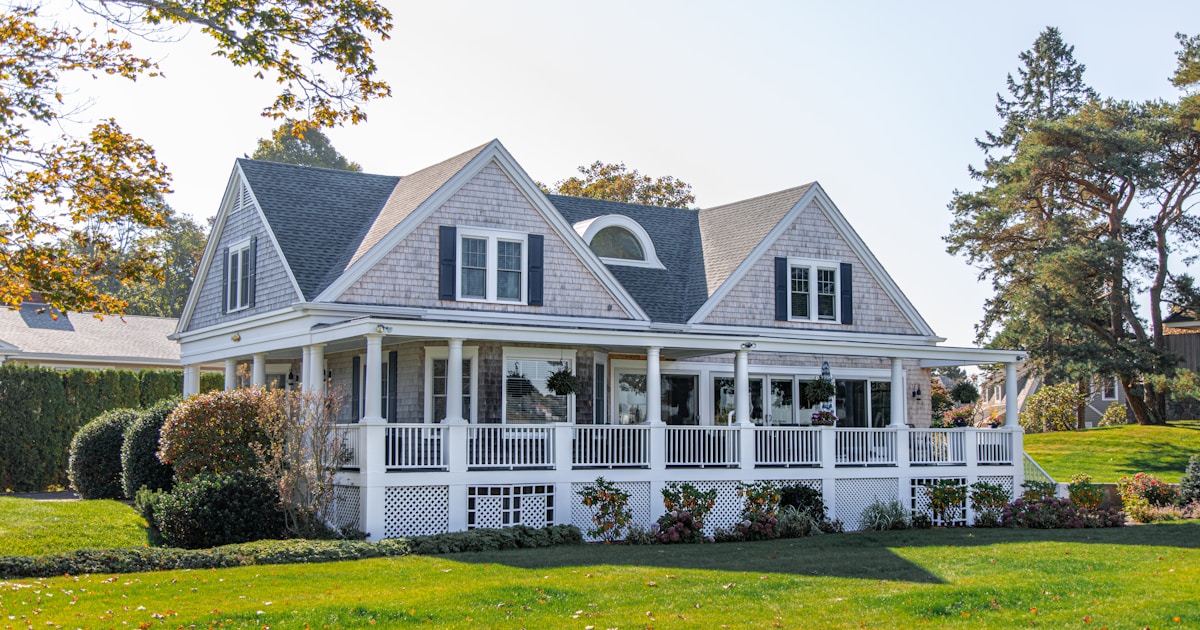
The moment you take out a mortgage, your lender will tell you that building insurance is mandatory before settlement. Most people scramble to grab a policy in the last 48 hours and pick whatever number looks about right. Studies have found that a significant proportion of Australian homes — some estimates as high as 80% — may be underinsured to some degree, sometimes by hundreds of thousands of dollars.
Here's what you actually need to know.
Building insurance vs contents insurance: the actual difference
Building insurance covers the physical structure of your home. This includes the walls, roof, floors, ceilings, fixed fittings, built-in wardrobes, kitchen cabinets, bathroom tiles, and permanently installed appliances like a dishwasher or ducted air conditioning. It also generally covers fences, garages, and sheds on the same property.
Contents insurance covers everything you'd take with you if you moved — furniture, clothing, electronics, jewellery, sporting equipment, and personal belongings. If you can pick it up and carry it out, it's contents.
Renters need contents insurance only. Homeowners with a mortgage usually need both. Some insurers sell combined home and contents policies, which can be slightly cheaper than buying separately.
The biggest mistake: insuring for market value instead of replacement cost
This is where most people go wrong.
When you buy a property for $950,000, you might think "I should insure it for $950,000." But your insurer doesn't pay out the market value of your property if it burns down. They pay to rebuild the structure.
The land value (which might represent 40–60% of your purchase price in major cities) is irrelevant to an insurance claim. You still own the land no matter what happens to the house. The insurer only needs to cover what it costs to demolish the remains and rebuild your home from scratch.
In a city like Sydney or Melbourne, this might mean a home worth $1.2 million on the market has a genuine rebuild cost of $600,000–$900,000 depending on size and spec. But many people set their cover to $1.2 million and pat themselves on the back, while others make the mistake of setting it to $400,000 and end up with a catastrophic shortfall.
How to calculate your building sum insured
The formula is simple:
Floor area (sqm) × construction cost per sqm + allowance for other costs
In 2026, typical residential construction costs in Australia range from:
| Build type | Cost per sqm (2026) |
|---|---|
| Basic/project home | $1,800–$2,400/sqm |
| Mid-range home | $2,400–$3,500/sqm |
| High-spec / custom | $3,500–$4,500+/sqm |
Add another 15–20% on top for:
- Demolition and debris removal
- Architect, engineer, and consultant fees
- Council permits and development approvals
- Temporary accommodation costs during a rebuild (some insurers cover this separately)
Example: A 200sqm mid-range brick home in Melbourne.
- 200sqm × $3,000/sqm = $600,000
- Plus 18% for other costs = $108,000
- Sum insured: ~$708,000
That same home might sell for $1.3 million. Insuring it for $1.3 million wastes money on premiums. Insuring it for $400,000 would leave you $300,000 short after a total loss. Neither outcome is good.
Most major insurers provide a free online calculator to estimate your rebuild cost. Use it. The 10 minutes it takes is worth it.
What your lender actually requires
Your bank or lender will require that you:
- Hold a current building insurance policy from the day of settlement
- Insure for the full replacement cost of the building (not the land value, not the purchase price)
- Note the lender as an "interested party" on the policy
- Provide a certificate of currency to your conveyancer before settlement
Some lenders specify a minimum sum insured. If you're borrowing with LMI (Lenders Mortgage Insurance), your lender may have additional requirements. Check your loan offer documents carefully.
The "noting of interest" step is important and sometimes forgotten. It means the insurer notifies your lender if the policy lapses or is cancelled — protecting them (and you) from accidentally going uninsured mid-loan.
How much contents insurance do you need?
The most common mistake with contents insurance is guessing. People say "$50,000 sounds about right" without ever actually counting what they own.
Go room by room and add up the replacement cost (not the current value, the cost to buy it new today) of everything:
- Living areas: TV, sofas, coffee tables, rugs, artwork, gaming consoles, streaming devices
- Kitchen: Small appliances (coffee machine, stand mixer, microwave), kitchenware, blenders, cookware sets
- Bedrooms: Beds and mattresses, wardrobes if freestanding, clothing, shoes, watches, jewellery
- Home office: Laptop, monitors, desk, chair, peripherals, camera gear
- Garage/storage: Tools, bikes, sporting equipment
For most households, a realistic contents sum is $80,000–$150,000+. If you've got a home theatre setup, high-end jewellery, a good camera kit, or decent tools in the garage, it's easy to tip over $200,000.
Jewellery and portable electronics often have per-item sublimits in standard policies (commonly $2,000–$5,000 per item). If you have a ring worth $20,000 or a camera kit worth $10,000, you'll need to separately schedule those items on your policy — otherwise you'll only get the sublimit if they're stolen or damaged.
When does home insurance kick in?
Generally, your building insurance should start from the date contracts are exchanged — not settlement. This is because once contracts are exchanged, you're legally obligated to complete the purchase, and if the house burns down the week before settlement, you're still on the hook for the purchase price in most states.
The exception is if the contract of sale includes a risk clause that leaves risk with the vendor until settlement, which is the default position in Victoria and New South Wales. In South Australia and Tasmania, risk generally passes to the buyer at exchange of contracts instead. Your conveyancer can advise on when exactly you should activate your policy.
How to save on premiums without cutting cover
A few things actually move the needle on home insurance premiums:
- Pay annually. Monthly payments can add 10–20% to the total annual cost depending on the insurer. Pay upfront and bank the saving.
- Choose a higher excess. Increasing your excess from $500 to $1,000 can reduce your premium by 10–25%. Only do this if you can cover the excess amount from savings.
- Bundle building and contents. Most insurers discount when you buy both policies together.
- Shop around at renewal. Insurers routinely increase premiums at renewal for loyal customers. Get a competing quote every 12 months and call your insurer — they'll often match it to keep you.
- Install security. Deadbolts, monitored alarms, and security cameras can reduce contents premiums meaningfully.
- Don't over-insure the building. Paying for more than the rebuild cost doesn't help you — insurers will only pay to restore your home, not give you extra cash. Accurate cover is the goal, not maximum cover.
Flood, fire, and storm: check what you're actually covered for
Most home insurance policies now include flood cover as standard, following industry reforms including the standardised flood definition introduced in the 2012 Insurance Contracts Regulations reforms. But check your Product Disclosure Statement (PDS) carefully because definitions matter:
- Storm damage (water coming in through a damaged roof) is almost always covered
- Flood (rising water from rivers, dams, or heavy rain runoff) is covered by most major insurers now, but some older policies or budget providers still exclude it
- Storm surge from coastal events can be excluded under some policies
- Gradual damage (a slow leak over time) is typically not covered — insurers expect maintenance
If you're buying in a bushfire-prone area, check fire cover closely. Some insurers impose restrictions in high-risk zones or add loading to premiums.
Strata properties: what you actually need to insure
If you're buying an apartment, townhouse, or unit under a strata scheme, the owners' corporation (body corporate) is responsible for insuring the building — your body corporate levies cover this. You are generally only responsible for insuring your contents and any fixtures or improvements you've made to the internal surfaces of your lot (flooring, kitchen renovation, etc.).
Check your strata scheme's insurance certificate to confirm what's covered. The dividing line between "common property" and "lot property" varies by state and by the strata scheme's own boundaries.
Use our Mortgage Repayment Calculator to see your monthly repayments, and our Borrowing Capacity Calculator to check how much you can borrow. Don't forget to factor insurance costs (typically $1,500–$3,500/year) into your budget.
Quick checklist before settlement
- Calculate rebuild cost (floor area × construction cost/sqm + 18% buffer)
- Get quotes from at least 3 insurers
- Check the PDS for flood and bushfire exclusions
- Note your lender as an interested party
- Get a certificate of currency for your conveyancer
- Set your contents sum insured based on a room-by-room count, not a guess
- Separately list any high-value items (jewellery, electronics, art) to avoid sublimit problems
Frequently asked questions
Does my bank require home insurance when I get a mortgage?
Yes. Australian lenders require building insurance in place before settlement, with the lender noted as an interested party on the policy. Without a certificate of currency, settlement cannot proceed.
What is the difference between building insurance and contents insurance?
Building insurance covers the physical structure — walls, roof, floors, fixed fittings, built-in appliances. Contents insurance covers everything you'd take with you if you moved. Homeowners with a mortgage typically need both.
Should I insure for market value or replacement cost?
Replacement cost — the cost to rebuild from scratch at current construction prices. Market value includes the land, which you still own after a loss. Insuring for market value in a high-land-value city means massively overpaying for cover you can never claim.
How do I calculate how much building insurance I need?
Floor area (sqm) × construction cost per sqm for your build type, plus 15–20% for demolition, professional fees, and council costs. In 2026, most Australian homes cost $1,800–$4,500/sqm to rebuild depending on quality. Use your insurer's rebuild cost calculator for accuracy.
A good mortgage broker compares rates across dozens of lenders and can often save you more than your insurance premiums cost. Free callback, no obligation.