
Wise Card for Online Shopping
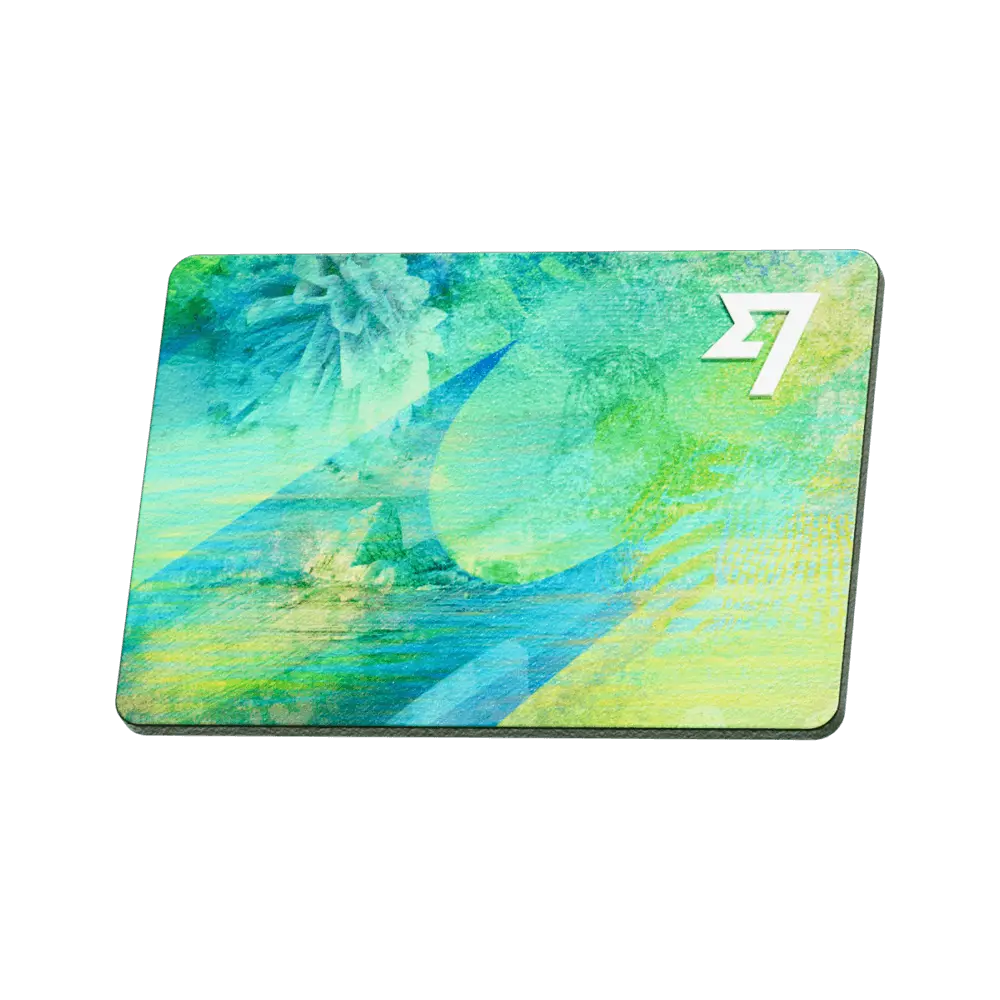
A Wise card works well for buying from overseas websites, for one reason: you choose the currency, and the conversion happens at the mid-market rate with a fee you can see. Most Australian bank debit cards apply a foreign transaction fee, commonly around 3%, and give you the bank's rate rather than the market one.
The thing that actually costs you money online isn't the card though. It's the checkout page asking whether you'd like to pay in Australian dollars.
https://wise.com/invite/dic/jayc325
The AUD trap at overseas checkouts
Overseas sites often detect an Australian IP or an Australian card and offer to show prices, or charge you, in AUD. It feels helpful. It's dynamic currency conversion, and the merchant's payment processor sets that exchange rate with a markup that's commonly 3% to 6%.
Take a USD 100 purchase:
- Pay in USD: Wise converts at the mid-market rate plus its own visible fee. You see exactly what it cost.
- Pay in AUD: the merchant's processor converts at its own rate, typically 3% to 6% worse, and Wise never gets to do anything. You pay the markup and it's invisible because there's nothing to compare it to.
On a USD 100 order that's roughly $5 to $9 you handed over for nothing. On a USD 2,000 camera it's $100 to $180.
Always choose the merchant's local currency at checkout. If the site won't let you, that's a reason to reconsider the site.
Where Wise is a good fit for online shopping
| Situation | Verdict | Why |
|---|---|---|
| Buying from a US, UK or EU site in their currency | Good fit | Mid-market conversion with a visible fee, no 3% bank foreign transaction fee |
| You already hold the currency | Best case | No conversion happens at all |
| Recurring subscription billed in USD | Good fit | Use a dedicated virtual card so you can cut it off |
| Small unknown overseas retailer | Good with a virtual card | Delete the number afterwards |
| Expensive purchase, slow shipping | Use a credit card instead | Stronger dispute position and purchase protection |
| Anything with a deposit or hold | Use a credit card instead | Debit holds tie up real money for days |
| Australian retailer charging in AUD | No advantage | No conversion involved, use whatever you like |
Virtual cards, and why they matter online
Wise lets you create virtual card numbers alongside the physical card. For online shopping this is genuinely useful:
- Risky merchants. A small overseas retailer you've never used gets a card number you can delete afterwards.
- Subscriptions. Give each recurring service its own number, so cancelling one doesn't mean re-entering details everywhere.
- Free trials. A number you can kill is a good answer to a service that makes cancelling difficult.
- Data breaches. When a retailer gets breached, you delete one number rather than replacing your main card and updating twenty billers.
Number and availability of virtual cards vary, so check what your account supports in the app.
What a debit card doesn't give you
This is the honest limitation, and it matters more than the fee difference on anything expensive.
- Weaker dispute position. Debit chargebacks exist through the card networks, but you're arguing to get your own money back after it's gone. With a credit card, you haven't paid yet and the issuer is out of pocket, which changes the dynamic.
- No complimentary purchase protection. Many Australian credit cards include purchase protection or extended warranty. Debit cards typically don't.
- No interest-free period. Money leaves immediately.
- Weaker position if the retailer collapses. If an overseas retailer goes under between order and delivery, a credit card claim is generally the stronger route.
Reasonable rule: use the low-fee card for the everyday stuff and a credit card for anything expensive, slow to ship, or from a retailer you don't know. Then pay the credit card off immediately.
Australian import costs nobody budgets for
The card fee is often the smallest part of an overseas order.
- GST applies to imported goods valued at AUD 1,000 or less and is generally collected by the overseas retailer at checkout. That's 10% on top, and it's the law, not a scam.
- Goods over AUD 1,000 are handled at the border, where GST, any customs duty and a processing charge apply before the parcel is released.
- International shipping is frequently more than the currency conversion saving.
- Returns mean international postage at your cost, which can make a cheap overseas item a bad deal the moment the size is wrong.
Work out the landed cost, not the sticker price, before deciding an overseas site is cheaper.
A practical setup
- Hold a balance in the currencies you shop in most, usually USD, GBP or EUR.
- Convert when the rate looks reasonable, not at the moment of checkout.
- Use a virtual card per merchant for anything you don't fully trust.
- Always select the merchant's local currency at checkout.
- Keep a credit card for high-value or high-risk purchases.
- Add the 10% GST and the shipping to the price before comparing with an Australian retailer.
Disclosure: SmartKoala may receive a referral benefit if you sign up through this link. It does not change the price.
A few compact travel basics that keep cards, documents and cables under control. SmartKoala may earn from qualifying purchases.
Related reading
- Wise Card, No Annual Fees
- Wise vs Bank Exchange Rates
- Wise Virtual Card Australia
- Wise Card Fees Australia, Official Pricing
- Exchange Rate Calculator to check what a price converts to before you commit
Frequently asked questions
Is the Wise card good for online shopping?
For overseas sites, yes. You get mid-market conversion with a visible fee instead of a typical 3% bank foreign transaction fee and the bank's own rate. For Australian sites charging in AUD there is no conversion, so there is no advantage.
Should I pay in AUD or the local currency on an overseas website?
Always the local currency. Paying in AUD hands the conversion to the merchant's payment processor, which applies its own rate with a markup commonly between 3% and 6%. On a USD 100 order that is roughly $5 to $9 for nothing.
What is a Wise virtual card useful for?
Giving each risky merchant, subscription or free trial its own card number that you can delete. When a retailer gets breached you kill one number instead of replacing your main card and updating every biller.
Is a debit card safe enough for expensive online purchases?
It is weaker than a credit card. Debit chargebacks exist but you are trying to get money back after it has left, and debit cards typically lack the purchase protection and extended warranty many Australian credit cards include. Use a credit card for expensive, slow-shipping or unfamiliar retailers.
Do I pay GST on things I buy from overseas websites?
Yes. GST applies to imported goods valued at AUD 1,000 or less and is generally collected by the overseas retailer at checkout. Goods over AUD 1,000 are handled at the border, where GST, any customs duty and a processing charge apply before release.